29N · Official publications
Electoral Board sets out how to keep suspended ‘grandchildren’s law’ votes and what to do if the digital ID fails, and asks Defence to let troops in El Hierro vote
Event: · Published
Source published: · Reviewed:

What happened
The Central Electoral Board (JEC) has issued instructions for Sunday: envelopes from people naturalised under the ‘grandchildren’s law’ whose vote the Supreme Court has suspended will be kept sealed and apart as “non-countable votes”; if the digital ID checker fails and cannot be fixed, only a physical ID card, passport or driving licence will be accepted; and it asks the Ministry of Defence to make it possible for troops deployed in El Hierro to vote.
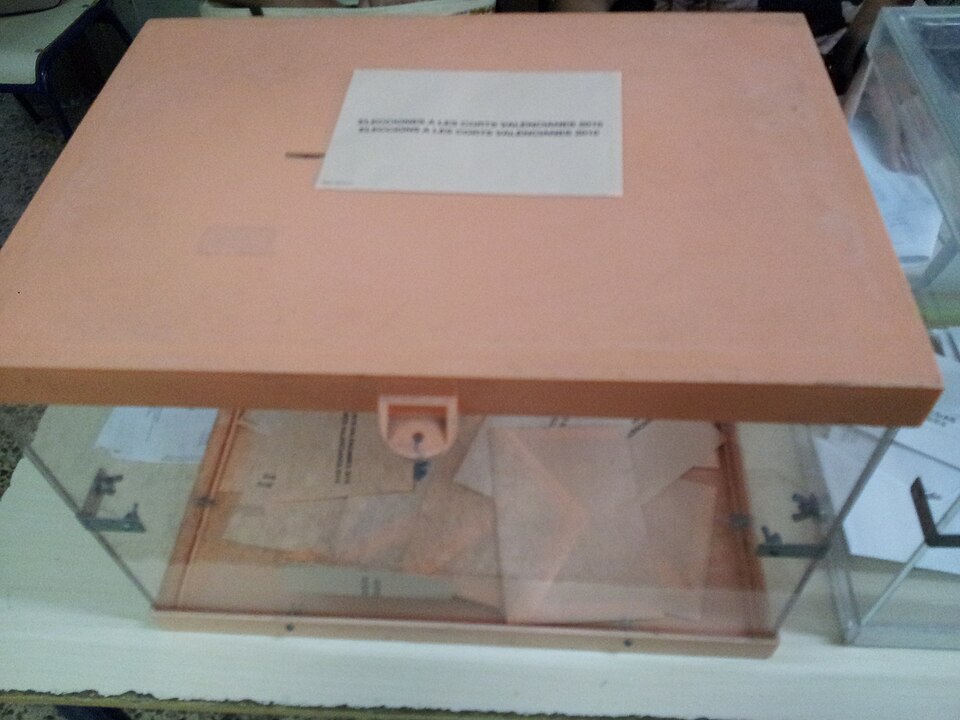
According to Europa Press, the JEC adopts instructions drafted by the Electoral Census Office. Each polling station will have a list of the people on the roll affected by the Supreme Court’s interim suspension. Their envelopes, cast in person or by post, are not opened or put in the ballot box: at least two of the three polling-station members sign them on both sides, they are kept sealed in the envelope holding the electoral documents, and their number is entered in the record, separately for the Congress and the Senate. If the voter brings a consular certificate issued before polling day, it is marked “certificación”, pending verification. According to RTVE, a second circular applies the same rule to votes from residents abroad, including those collected in cardboard boxes at consulates: they will be listed as “non-countable” in an annex by country and consulate and kept “in case appeals are lodged”.
For the digital ID, each polling station will have a phone with the QR checker from the official MiDNI website. If the device or its instructions have not arrived by opening time, the presiding officer must tell the local (zone) electoral board. If it fails during voting, the officer must tell the Government representative at the polling place, can use the incident protocol of the Directorate-General for Internal Policy and, according to Europa Press, can ask the security forces present for help. If the fault is not fixed, only a physical ID card, passport or driving licence will be accepted, and the incident will be entered in the record.
At the PP’s request, the JEC has asked the Ministry of Defence to make it possible for the troops deployed in El Hierro for the migration emergency to vote; the PP puts their number at about 120 and says they were moved after the deadline to apply for a postal vote had passed. Defence said in a statement that, together with the Military Emergencies Unit, “measures will be taken” and that this right “has been guaranteed until now”.
Votuo editorial summary, linked to its source. This is not a literal quotation.
Votuo analysis
These are procedural instructions and do not change who may vote: the suspension of the ‘grandchildren’s law’ votes is an interim measure of the Supreme Court, and the envelopes are kept in case of appeals. RTVE and Europa Press give different numbers of people affected, so Votuo gives none. Votuo could not read the circulars on the JEC website.
Editorial interpretation: implications and open questions based on the cited sources.
How to read this update
This brief summarises the cited outlet’s reporting. The original link provides its account and publication details.
Original source
News outlet · RTVE ↗
View the event chronology →